
Blog
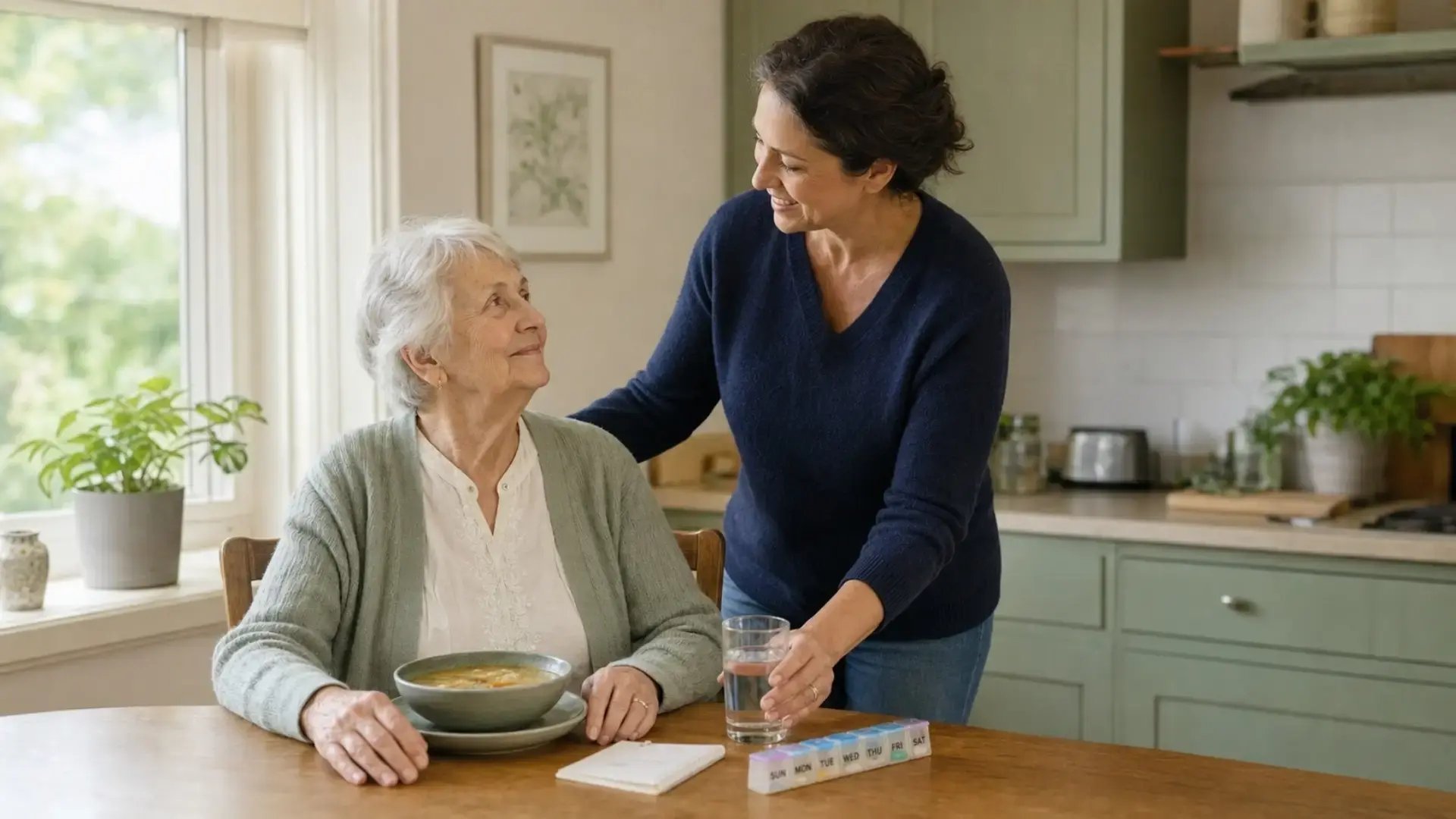
Post-Hospital Care at Home: How Caregivers Help Prevent Readmissions
Bringing a loved one home from the hospital is a relief. It can also be the start of a new kind of worry. Discharge often...

Why Caregivers Stay When the Match Is Right
Finding the right in-home care for a loved one is deeply personal. Families often turn to home care agencies seeking peace...

Transitioning from School to Adult Disability Services
For families of young adults with intellectual and developmental disabilities (I/DD), life after high school can feel...

What Families Should Know About Medicaid Waivers for I/DD Services
If you are a parent or guardian supporting a loved one with intellectual or developmental disabilities (I/DD), you have...

What Is NC's 1915(i) Program? A Guide for Individuals, Families, and Care Managers
North Carolina's 1915(i) program can feel like alphabet soup the first time you hear about it. If you are an individual who...

How to Become a Host Home Provider in North Carolina: What Amivie Looks for in AFL Families
Opening your doors to someone who needs a place to call home is one of the most meaningful decisions a family can make....

Sponsored Residential Provider Requirements in Virginia (DBHDS Checklist)
Every sponsored residential provider starts in the same place: learning what’s required before opening their home to someone

Why Low Turnover Matters in Caregiving Careers
High caregiver turnover is one of the worst-kept secrets in home care. Industry-wide, turnover rates nearly reach 80...

Is Sponsored Residential Income Tax-Free? What IRC 131(c) Means for You
As a sponsored residential provider, you open your home to care for individuals with intellectual and/or developmental...

AFL vs. Group Home: Which Residential Option Is Right for Your Loved One with IDD?
If you are starting to think seriously about long-term residential options for your adult child or loved one with IDD, you...