Why Low Turnover Matters in I/DD Home Care: Building Long-Term Relationships
Link copied!
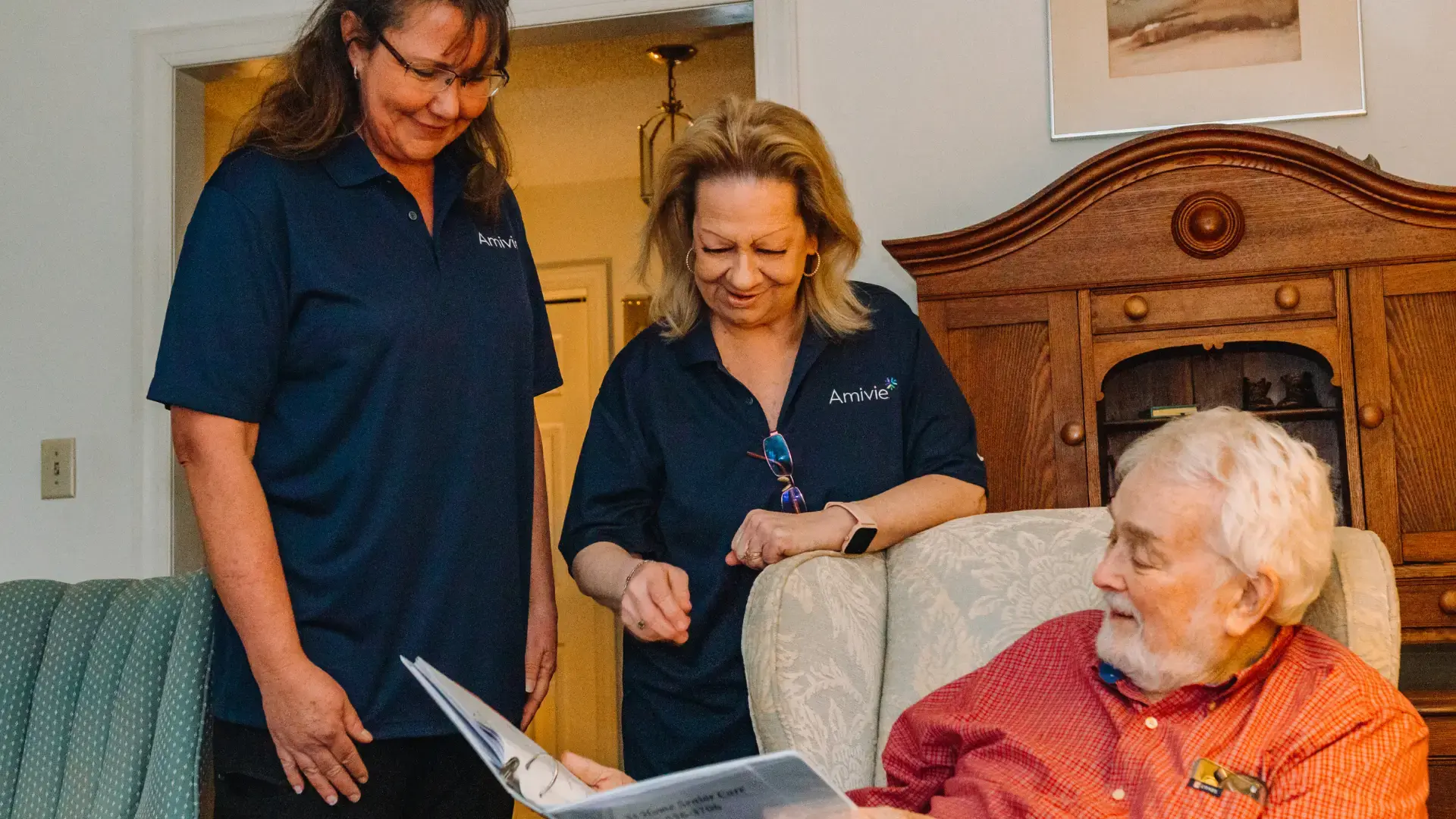
For individuals with intellectual and developmental disabilities (I/DD), home and community-based care requires a high level of trust. The daily support they receive from caregivers shapes how safe they feel, how independent they become, and how connected they are to the world around them.
But trust doesn’t happen overnight. It grows in the quiet moments like routine check-ins, shared smiles, and familiar voices. And when caregivers come and go, that trust can be fractured. Our team at Amivie believes that consistent caregiver relationships aren’t just beneficial—they’re essential.
Trust Takes Time, Especially in I/DD Home and Community-Based Support
Imagine having to explain your preferences, triggers, or routines to someone new every few weeks. For individuals with I/DD, especially those with communication or sensory needs, that kind of instability can be distressing and deeply disruptive.
Caregivers play a vital role in emotional safety. They often serve as primary daily companions, advocates, and bridges to the community. When these relationships change too frequently, individuals may withdraw, regress in progress, or experience increased anxiety.
Why Consistent Care Matters in I/DD Support
Consistency allows caregivers to notice subtle changes in mood, behavior, or health—signs that could easily be missed by someone new. It builds a relationship where individuals feel seen, understood, and respected. Low turnover means:
- Predictable routines for those who thrive on structure
- Better communication and behavior understanding over time
- A deeper sense of emotional safety from familiar caregivers
The Hidden Costs of High Turnover
When caregivers change often, the consequences ripple far beyond the calendar:
- Individuals may regress in skills or behavior they’ve worked hard to develop
- Families or guardians are forced to continually re-explain needs and routines
- Trust breaks down, and progress stalls
Turnover can quickly become a barrier to quality care. And in I/DD services, where stability and emotional connection are vital, it can undo months of meaningful progress.
How Amivie Reduces Turnover and Builds Relationships That Last
Amivie’s low caregiver turnover isn't a happy accident; it is a strategic choice that is built into all aspects of our operations. Here’s how we keep our caregivers and clients connected for the long haul:
A Thoughtful Matchmaking Process
We pair individuals with caregivers based on personality, energy, and cultural fit, not just availability. Our process includes in-home assessments, introductions, and ongoing feedback to ensure a strong, personal connection from day one.
Supervisory Intimacy
Our supervisors don’t sit behind desks. They visit homes, know each individual’s story, and advocate for what’s best. If something’s not working, we adjust with care and urgency.
Ongoing Caregiver Support
From training to career development, we invest in our caregivers so they feel valued and supported. Happy caregivers stay longer and build stronger bonds with the people they serve.
What to Ask When Evaluating an I/DD Care Provider
Whether you're a parent, guardian, or advocate, here are a few essential questions to ask:
- What’s your caregiver turnover rate?
- How do you match caregivers to clients?
- What happens if a caregiver needs time off?
We are proud to offer answers that reflect our commitment to consistency, trust, and individualized support at every stage.
Low Turnover, Lifelong Impact: That’s the Amivie Difference
Long-term relationships are at the heart of the care that Amivie provides for all of our clients, because everyone deserves a caregiver who shows up, sticks around, and truly understands who they are.
When care is consistent, individuals thrive. And that’s a promise we intend to keep.
Topics:
Blog, Home Care Services, Careers with Amivie
