Why Caregiver Matchmaking Matters in I/DD Support
Link copied!
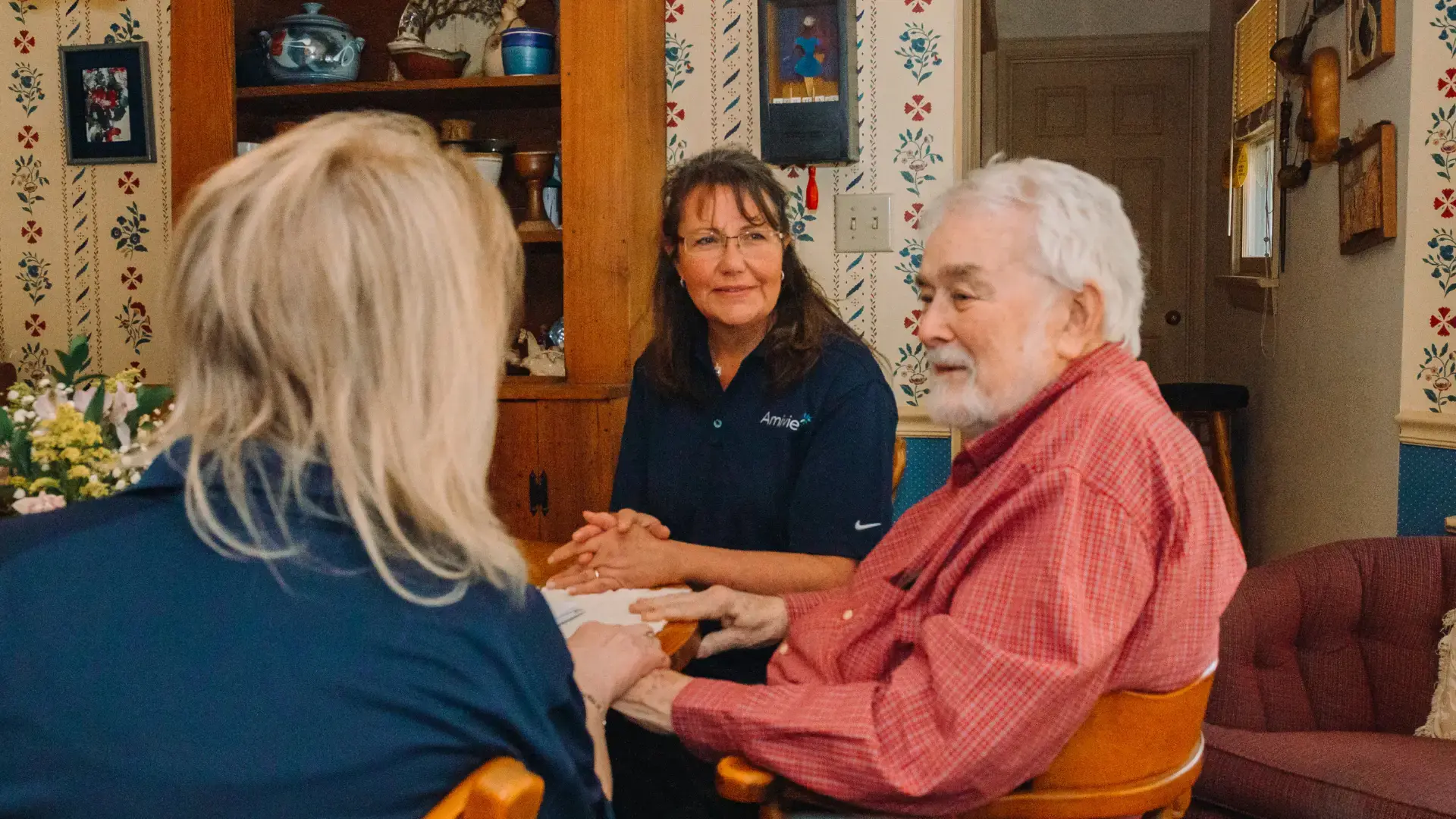
In disability services, support is more than a schedule—it’s a relationship. And the right caregiver match can make all the difference.
What Is Caregiver Matchmaking in I/DD Services?
Caregiver matchmaking is a personalized process that pairs individuals with intellectual and developmental disabilities (I/DD) with Direct Support Professionals (DSPs) based on compatibility and a range of other factors.
It’s different from standard staffing. While traditional models fill shifts, caregiver matchmaking at Amivie is about forming relationships that foster emotional safety, skill-building, and self-determined growth. A great match supports:
- Trust and emotional connection
- Consistent communication styles
- Shared interests or cultural background
- Reliable, long-term support
Because when a person feels safe and seen, real progress can begin.
Why Compatibility Builds Better Outcomes
When caregivers and individuals “click,” a more impactful relationship is formed.
Matched compatibility leads to:
- Better communication: DSPs who understand how someone best expresses their needs can respond with empathy and effectiveness.
- Emotional regulation and confidence: Familiar caregivers create a calming, supportive environment that promotes growth and self-advocacy.
- Fewer disruptions: Continuity in care reduces the stress of constant change and supports long-term personal goals.
- Caregiver well-being: A good fit benefits the DSP too, helping reduce burnout and increasing job satisfaction.
In short, compatibility isn't a luxury—it’s a foundation for stability.
What Families and Guardians Should Look For
Whether you're choosing a provider for the first time or advocating for a better fit, here’s what matters in a caregiver match:
- Personality alignment: Does your loved one feel at ease with this person?
- Cultural and communication style fit: Shared language, values, or interests can spark trust faster.
- Trauma-informed needs: These considerations matter, especially when history or comfort levels are involved.
- Consistency and continuity: Ask how long caregivers typically stay and what support is in place if someone needs to be replaced.
Questions to Ask a Provider Agency:
- How do you learn about my loved one’s preferences?
- What happens if the first match doesn’t work?
- Who oversees ongoing caregiver-client relationships?
The Amivie Approach to Caregiver Matching
At Amivie, we treat matchmaking as a vital step, not an afterthought. Here’s how we do it:
Listening First—Understanding Each Person’s Preferences
Our intake specialists and nurses visit in person to learn each individual’s needs, personality, and communication style. We don’t rush this step, because getting it right from the start sets the tone for trust.
Matching for Compatibility, Not Just Coverage
Using what we learn, our recruitment team identifies DSPs whose strengths, experiences, and hearts are in the right place. We consider:
- Relevant skills and training
- Energy level and temperament
- Shared interests or lifestyle rhythms
Prioritizing Consistency and Continuity of Care
We know that long-term relationships build stability. That’s why we work hard to minimize turnover and keep DSPs matched with individuals for the long haul.
Supporting Both Sides of the Match
Supervisors stay closely involved. They regularly check in with both DSPs and the people they support, making adjustments if needed and celebrating when a match becomes a bond.
Start with the Right Match, Stay with the Right Care
When there’s trust, consistency, and connection, care becomes something much deeper and honors the individuals we serve. It becomes support that empowers someone to live their life fully.
Looking for I/DD services that prioritize compatibility?
Contact us today to learn more about our person-centered caregiver placement process.
Topics:
Blog, Home Care Services
