What’s the Difference Between Skilled Nursing and Home Care?
Link copied!
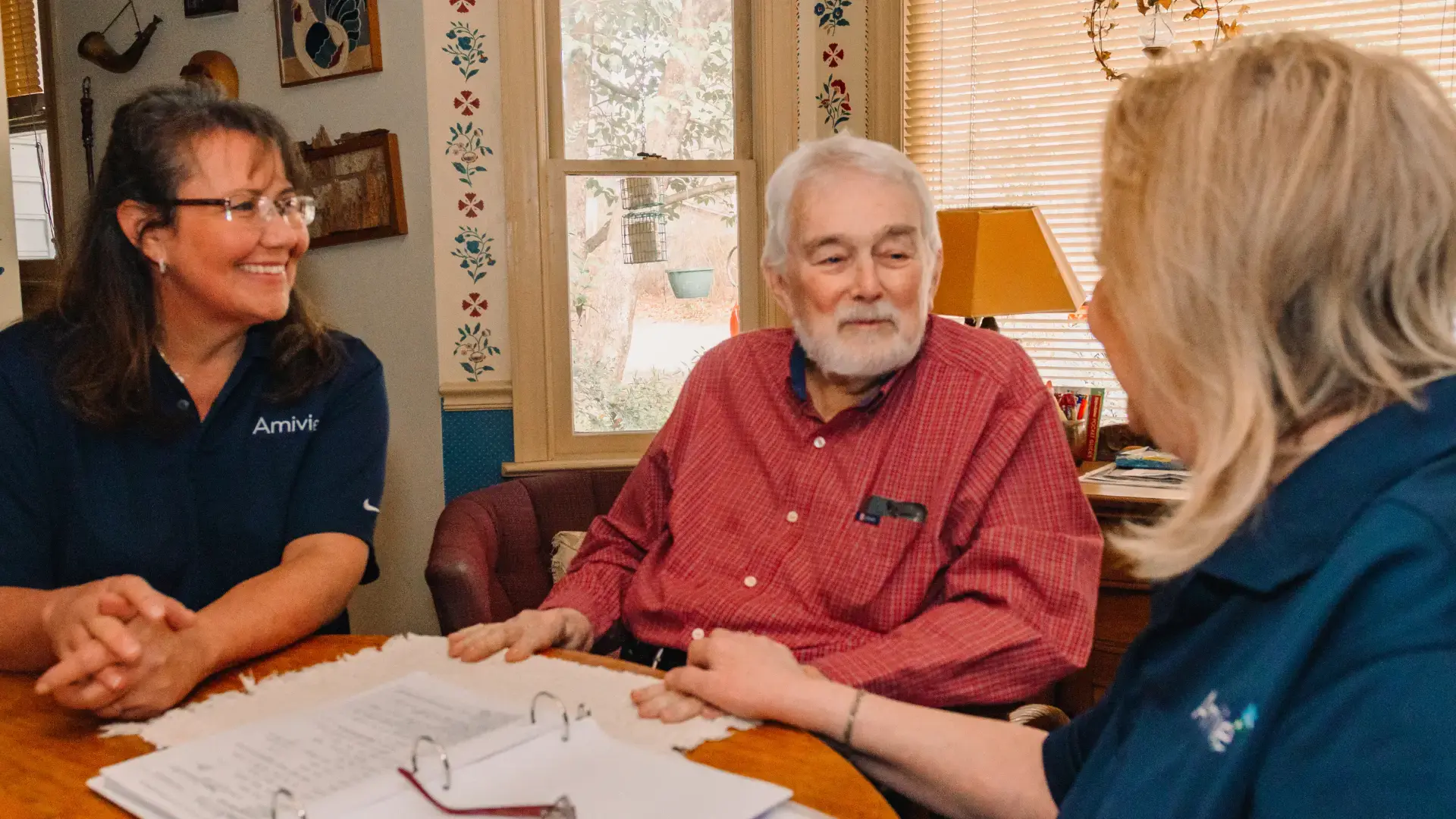
As your family members or loved ones age, they often benefit from help with daily activities and medical needs, but evaluating home and nursing care options can be overwhelming. At Amivie, we understand the complexities of support care and how it can help your loved one remain independent and safe.
A decision between skilled nursing and home care depends largely on whether the person needs actual nursing care or non-medical care to assist with daily activities. This article highlights the key differences between these support services so you can make an informed decision that best suits your family.
What is Skilled Nursing?
Skilled nursing is used when clients need continuing medical observation and medical care at home. In-home skilled care is ordered by a physician and provided by licensed professionals, like Registered Nurses and Physical or Occupational Therapists.
These home nursing services are typically used for shorter periods, such as after a hospital stay. Skilled nursing professionals assist with things like intravenous fluids, post-surgical monitoring, and rehabilitation.
What is Home Care?
Home care consists of non-medical support with daily living tasks. It usually continues long-term to help maintain independence in a safe and supported way.
Home caregivers provide services to address both essential daily tasks and more complex tasks. Assistance with bathing and dressing helps ensure your loved one stays safe and comfortable in their home. Caregivers also provide the companionship needed by those they serve.
More complex tasks like meal preparation and housekeeping also fall under home care. This level of assistance helps loved ones maintain independence and mental engagement.
Key Differences Between Skilled Nursing and Home Care
Finding the right care for your loved one’s needs can make all the difference in their day-to-day life. Explore the key distinctions between these two care options:
| Category | Skilled Nursing | Home Care |
|---|---|---|
| Care Provider | Licensed medical professionals: nurses (RN, LPN), therapists (PT, OT) | Non-medical providers: in-home aides, CNAs |
| Services | Post-surgical care, monitoring vitals, administering IVs, and physical therapy | Assistance with bathing, meal preparation, and transportation |
| Insurance | May be covered by Medicare, Medicaid, or private insurance | May be covered by long-term care insurance and Medicaid, but often private pay |
| Duration | Short-term, medical-only care | Longer-term care, part-time or full-time |
| Location | Skilled nursing facility or in-home with a doctor’s order | In-home care tailored to the person’s needs |
Which Type of Care Does Your Loved One Need?
Together, skilled nursing and home care can provide a well-rounded plan of support. They can also be used separately and be adjusted over time, depending on short- and long-term needs.
Whether in a facility or at home, skilled nursing is appropriate after surgery, a long hospitalization, or a serious illness that requires follow-up medical monitoring. It is also used for ongoing medical treatment such as physical therapy, wound care, or administering injections.
If your loved one is struggling with daily tasks or independence, home care can greatly improve their quality of life. It is appropriate for those with chronic conditions and/or physical challenges who do not require ongoing medical care. Home care can also provide respite care when family members are the primary caregivers.
How Amivie Helps Families Navigate the Right Level of Support
Amivie works with you to design a personalized, in-home support plan tailored to your loved one's evolving needs. Skilled nursing is an important part of recovery from acute medical issues. Home care can provide ongoing support that medical providers cannot, as well as transition care to bridge the gap left when skilled nursing ends.
Our focus is on helping people maintain dignity, independence, and comfort for as long as possible. To that end, we coordinate with medical providers when needed and provide caregiver matching and flexible plans to assist your family.
Not Sure Which Care You Need? Let Amivie Help You Decide
Amivie helps you find the right caregiver and type of care by conducting a comprehensive assessment and discussing all available options with you. We will also assist you in adapting to changing needs over time.
Our dedicated team of caregivers stands ready to provide the support and stability needed to help your loved one maintain their safety and independence. Contact us today to learn more.
Topics:
Blog, Home Care Services
