Beyond the Label: What Developmental Disabilities Really Mean
Link copied!
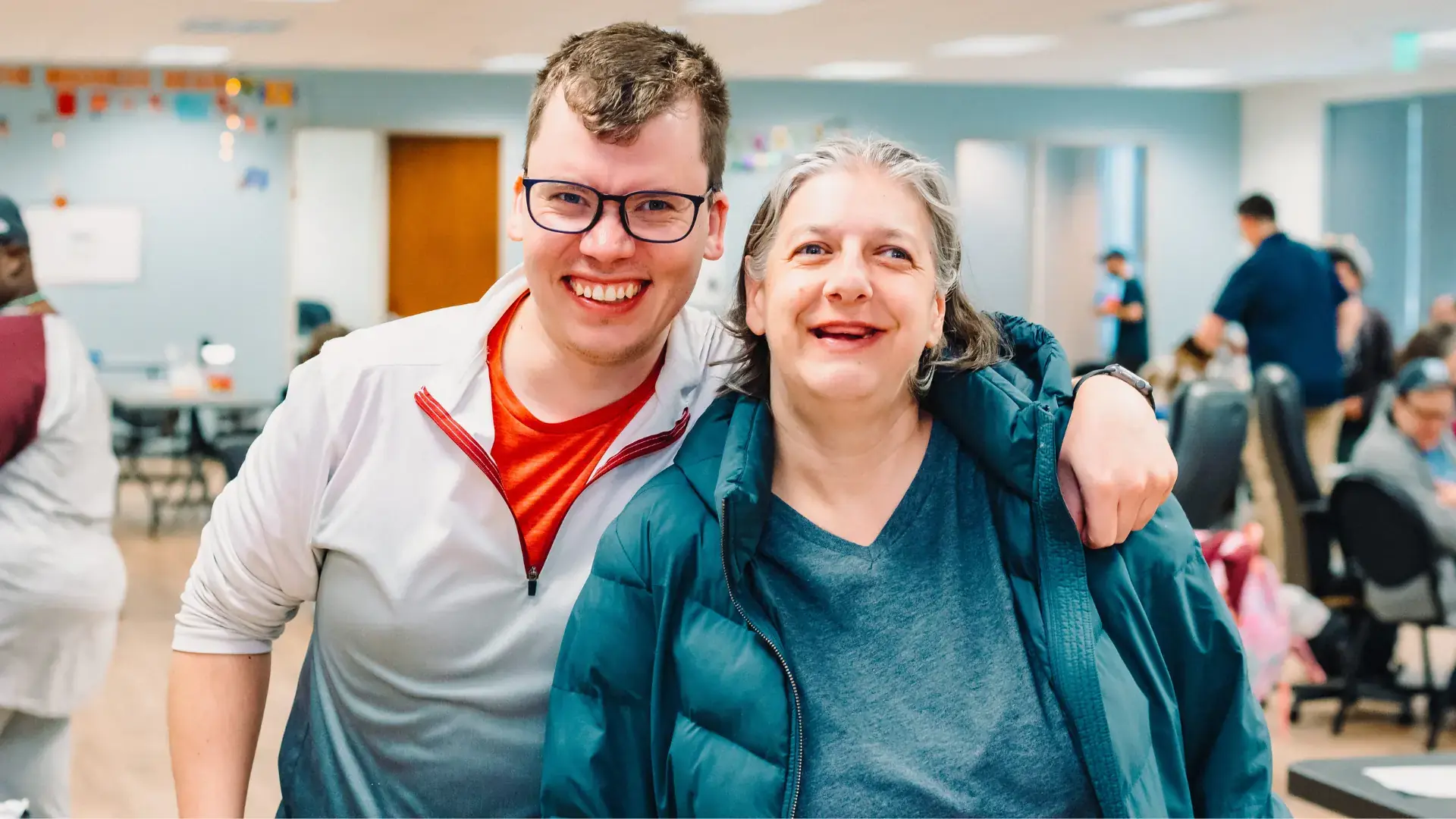
When families first hear a diagnosis, one of the most common questions is: What are developmental disabilities, and what does this mean for my child? The term can feel clinical or overwhelming, but at its core, it simply describes a group of conditions that begin during childhood and may affect how a person learns, communicates, moves, or manages daily life. Understanding developmental disabilities means looking beyond medical terminology and recognizing the whole person—strengths, goals, personality, and potential included.
What Is a Developmental Disability?
The term developmental disability refers to a condition that typically appears before age 22 and can affect physical, learning, language, or behavioral development. These disabilities are usually lifelong, though the level of support a person needs may change over time.
Developmental disabilities include a wide range of diagnoses such as intellectual disabilities, autism spectrum disorder, cerebral palsy, epilepsy, and certain genetic conditions. When discussing intellectual vs developmental disability, it’s helpful to understand that intellectual disability specifically affects cognitive functioning and adaptive skills, while developmental disability is a broader category that can include intellectual disability as well as physical or neurological conditions.
These disabilities may affect:
- Learning and problem-solving
- Communication and speech
- Social interaction
- Mobility and coordination
- Daily living skills
One important truth: not all disabilities are visible. Some individuals may appear independent but still experience challenges with memory, sensory processing, emotional regulation, or executive functioning. That’s why inclusive disability support begins with listening rather than assuming.
Beyond the Diagnosis—Each Person Is Unique
Labels can help guide services, but they never tell the full story. Understanding developmental disabilities requires recognizing that no two individuals are alike, even if they share the same diagnosis.
Each person has unique strengths, preferences, cultural values, and personal goals. One individual with autism may thrive in structured routines and enjoy technology, while another may be highly social and creative. A person with cerebral palsy may need mobility support but excel academically and professionally.
Consider “Marcus,” a young adult with a developmental disability who loves music and dreams of working in radio. While he benefits from support with time management and transportation, his creativity and attention to detail make him a strong contributor to his community. When support teams focus only on limitations, they miss opportunities to build on strengths. Person-centered disability support means asking: What matters to you? not just What services do you qualify for?
Dignity, agency, and choice should guide every interaction.
How Developmental Disabilities Can Impact Daily Life
The types of developmental disabilities are diverse, and so are their effects. Some individuals may need assistance with Activities of Daily Living (ADLs), such as:
- Bathing and personal hygiene
- Dressing
- Eating
- Mobility
Others may require help with Instrumental Activities of Daily Living (IADLs), including:
- Managing medications
- Preparing meals
- Budgeting
- Scheduling appointments
- Transportation
Communication differences, sensory sensitivities, and challenges with emotional regulation can also affect relationships, school performance, and workplace experiences. Barriers to education, employment, and independent living often arise not from the disability itself but from environments that are not inclusive.
Importantly, experiences vary widely. Some individuals live independently with minimal support, while others benefit from consistent daily assistance. There is no single path, and no single definition of success.
What Families and Caregivers Should Know
For families navigating a new diagnosis, early intervention can make a meaningful difference. Speech therapy, occupational therapy, behavioral supports, and educational accommodations often help build skills and confidence from a young age. However, support should not stop in childhood. Ongoing I/DD support services can help individuals transition into adulthood, employment, and community life.
Advocacy is essential. Families can:
- Learn about eligibility for state and community programs
- Ask questions about service options
- Participate actively in care planning
- Promote inclusion in schools, workplaces, and faith communities
Consistency, routine, and emotional connection are equally important. Community belonging and stable relationships help individuals feel secure and valued.
If you’re wondering how to support someone with a developmental disability, start with respect. Ask about preferences. Offer choices. Celebrate milestones both big and small.
How Amivie Supports Individuals with Developmental Disabilities
At Amivie, we believe developmental disability care at home should reflect the individual, not the diagnosis. Our home and community-based services are tailored to each person’s strengths, goals, and evolving needs.
Our Direct Support Professionals (DSPs) are trained in dignity-first, person-centered disability support. We focus on promoting independence, safety, and meaningful engagement in everyday life. Whether assisting with daily routines, skill-building, employment goals, or social participation, our approach emphasizes empowerment over dependency.
We also recognize the vital role families play. Clear communication, consistency in staffing, and collaborative planning are central to our inclusive disability support model. By working together, we create stable, trust-based relationships that help individuals thrive.
Empower Possibility. Embrace Individuality. Choose Amivie
When we move beyond labels, we begin to see potential. Developmental disabilities are part of a person’s story, but they do not define their worth, capability, or future. With the right environment and support, individuals can pursue meaningful goals and live fulfilling lives.
Our team at Amivie is proud to stand beside individuals and families with compassionate I/DD support services that empower possibility and celebrate individuality every single day.
Topics:
Blog, Developmental Disabilities, Intellectual Disabilities, I/DD Support
