Caring for the Caregivers: Why Support Starts Within
Link copied!
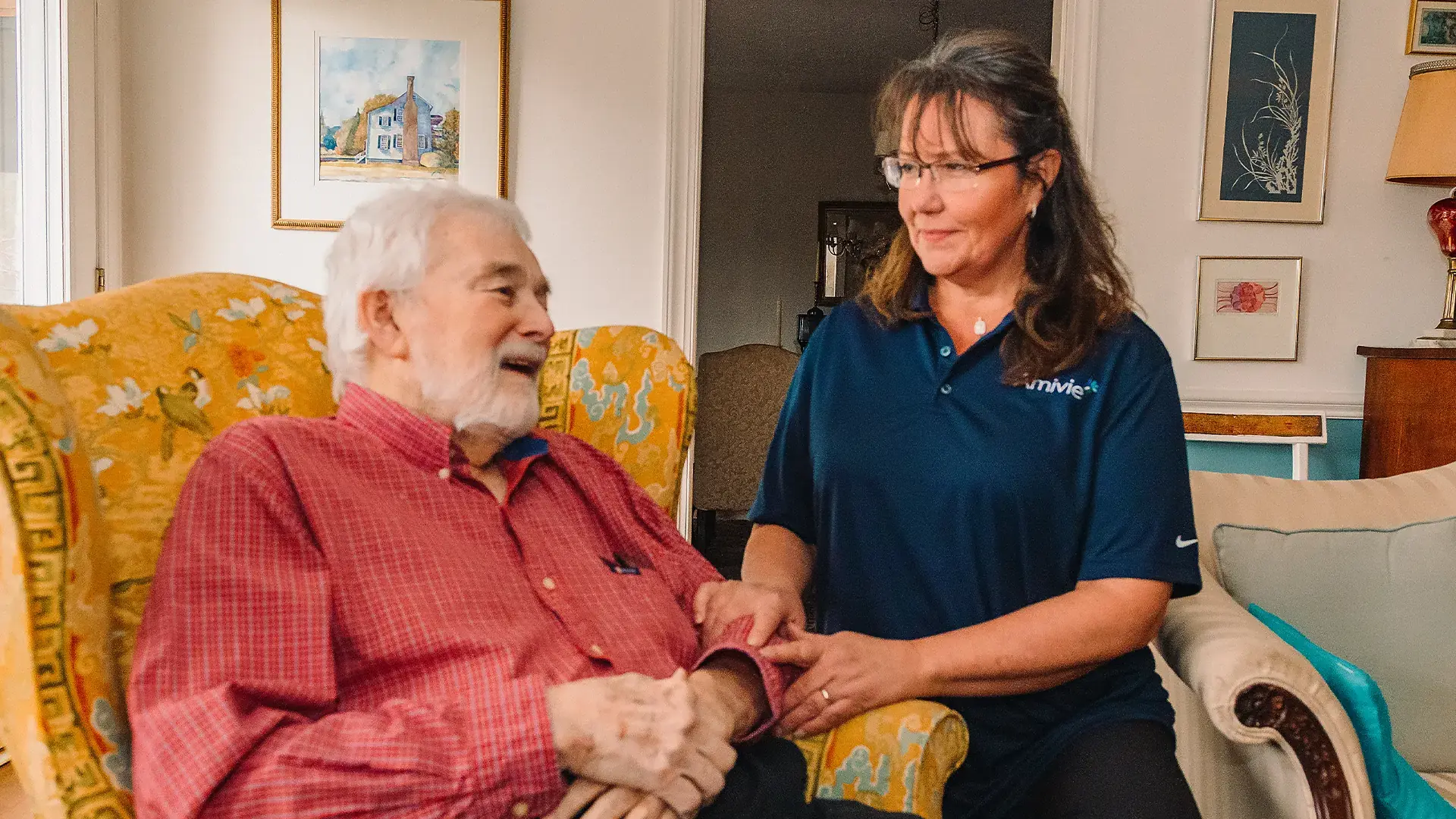
Behind every safe home, every successful day program, and every moment of dignity preserved, there is a caregiver showing up—physically, emotionally, and mentally.
But who supports them?
At Amivie, we believe the answer must be: we do.
From Certified Nursing Assistants (CNAs) and Direct Support Professionals (DSPs) to family caregivers caring for a loved one at home, we know that professional caregiver wellbeing directly impacts the quality, consistency, and compassion of care delivered.
When support starts within the agency, care without compromise becomes possible.
The Demands of Caregiving, And the Risk of Burnout
Caregiving is meaningful work. It is also one of the most demanding professions in healthcare and human services.
Every day, caregivers:
- Assist with Activities of Daily Living (ADLs) like bathing, dressing, and mobility
- Provide emotional support during vulnerable moments
- Navigate complex medical, behavioral, or cognitive needs
- Offer companionship that may be the only social interaction someone receives that week
Over time, even the most dedicated professionals can experience compassion fatigue.
Common signs of caregiver burnout include:
- Chronic exhaustion
- Anxiety or irritability
- Emotional withdrawal
- Loss of motivation
- Physical strain and health decline
Industry research continues to highlight workforce strain as one of the most persistent challenges in home care. Caregiver burnout prevention is no longer optional—it’s essential for agencies that want to deliver uninterrupted, high-quality care.
At Amivie, we design our culture around protecting the people who protect others.
Why Supporting Caregivers Benefits Everyone
Caregiver mental health resources and workplace support systems don’t just benefit employees. They directly improve outcomes for clients and individuals.
When caregivers feel heard, valued, respected, and supported, they stay longer. They build deeper relationships. They provide more consistent care.
Continuity of care is one of Amivie’s strongest differentiators. In an industry known for turnover, long-term caregiver-client relationships create stability, trust, and emotional security for the people we serve.
For families, that means:
- Fewer disruptions
- Less retraining
- Greater peace of mind
For individuals with intellectual and developmental disabilities, it means familiarity, advocacy, and long-term support systems built on trust.
How Amivie Builds a Culture That Cares for Caregivers
Caregiver support must be intentional, consistent, and visible in everyday practice. Here’s how Amivie builds a culture that cares for caregivers.
Work-Life Balance And Flexible Scheduling
Unpredictable hours are one of the leading contributors to burnout. Amivie leverages centralized recruiting systems and structured scheduling platforms to better align caregiver availability with client needs.
This creates:
- More consistent hours
- Reduced last-minute stress
- Improved work-life balance
- Greater financial stability
Emotional Support, Open Communication, Team-Based Problem-Solving
Caregiving can feel isolating without strong leadership. Supervisors at Amivie remain closely involved with both caregivers and the individuals they serve.
This hands-on approach ensures:
- Real-time problem solving
- Advocacy for caregivers
- Ongoing feedback loops
- Adjustments when matches need refinement
Our culture reflects our brand manifesto: connection is fundamental to the human experience. That includes connections within our own teams.
Mentorship, Recognition, And Growth Opportunities
Caregiving is skilled work. It requires training, adaptability, and emotional intelligence.
Amivie supports career development through:
- Ongoing training and tracked certifications
- Specialized skill development for both senior care and I/DD services
- Opportunities for advancement
- Recognition of outstanding service
We prioritize these opportunities to offer our caregivers a future with the agency, so they can invest more deeply in the relationships they build.
Leadership That Listens And Responds
One of the most overlooked contributors to burnout? Poor fit.
Amivie’s matchmaking process pairs caregivers and clients based on:
- Skills and certifications
- Personality traits
- Cultural compatibility
- Availability
- Communication style
When the right caregiver is matched with the right person, stress decreases and connection increases. That philosophy supports not only the client, but the caregiver, too.
Tips for Family and Professional Caregivers to Refill Their Cup
Family caregivers face many of the same emotional pressures as professionals—often without formal training or backup.
If you are caring for a loved one, consider these high-impact caregiver self-care tips:
- Take regular breaks and set clear boundaries. Sustainable care requires rest.
- Join a caregiver support group. Shared experience reduces isolation.
- Ask for help early. Don’t wait for exhaustion to force the conversation.
- Prioritize your own medical appointments. Your health matters, too.
- Use respite care services. Temporary professional care protects long-term family stability.
Caregiver mental health resources are not signs of weakness. They are signs of wisdom and commitment to caring for those you love.
From Compassion to Connection, Amivie Cares for Our Team
When caregivers are supported, seniors remain safely in the homes they love, individuals with developmental disabilities experience greater stability and long-term connection, families feel relief, and entire communities grow stronger.
If you’re looking for an agency that prioritizes caregiver wellbeing, you deserve more than promises. You deserve partnership.
Whether you are a CNA, DSP, or in-home aide seeking meaningful work in a supportive environment, a family caregiver in need of respite and guidance, or a loved one searching for reliable, personalized care, Amivie is here to stand beside you.
Connect with our team today to discover how caregiver support strengthens every level of care—and why support always starts within.
Topics:
Blog, Home Care Services, Home Care
