Keeping the Golden Years Solid: A Guide to Fall Prevention for Seniors at Home
Link copied!
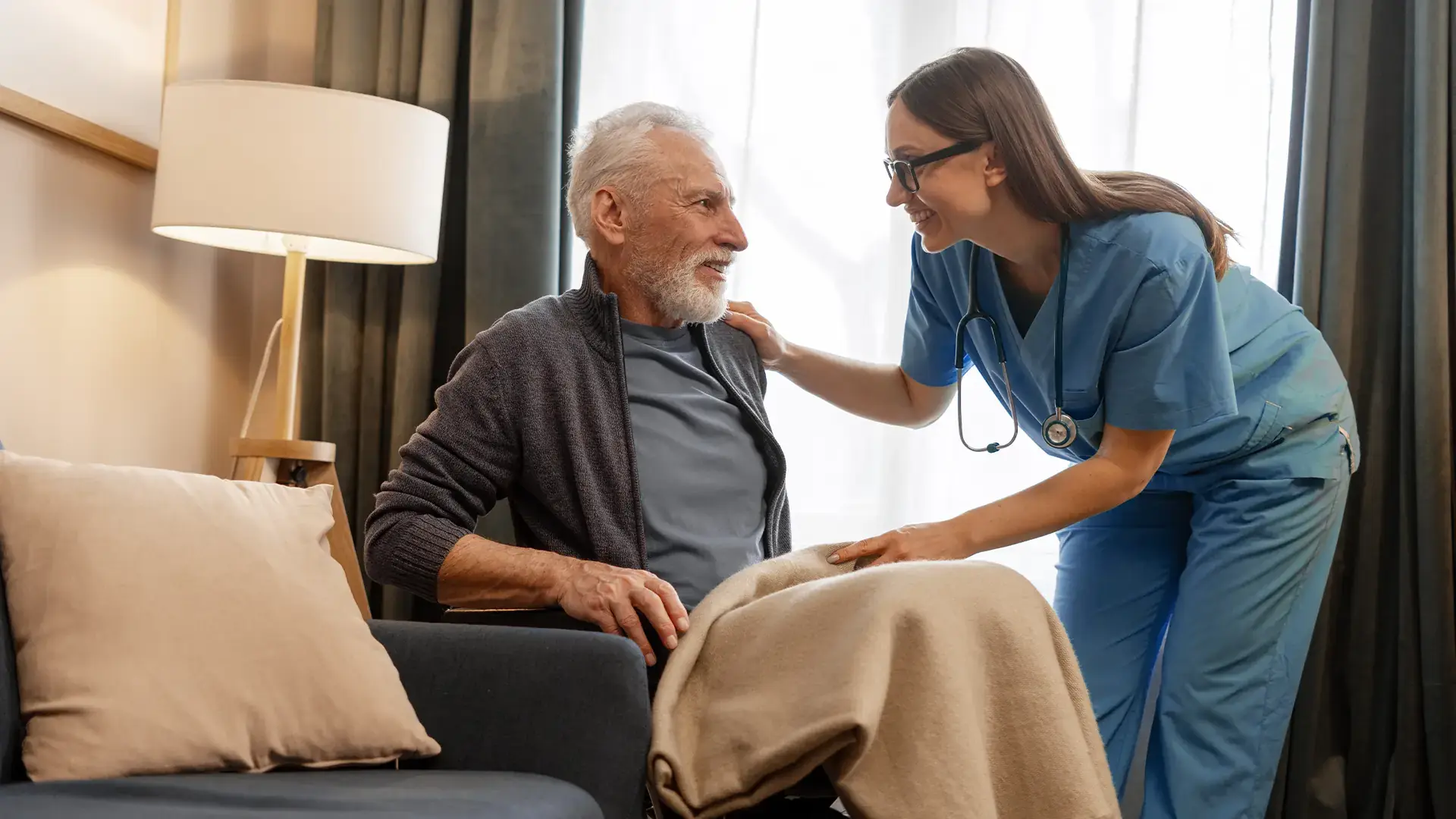
Every year, one in four adults over the age of 65 experiences a fall. For many families, this is a situation that changes everything. If you have an aging parent, the fear of them falling while alone is likely a constant worry on your mind.
While the statistics are sobering, there is a silver lining: falls are not an inevitable part of aging. They are preventable events. By identifying risks and knowing when to consider in-home care, you can transform the home from a place of potential hazard into a sanctuary of safety. This guide offers a solution-oriented roadmap to reducing fall risks starting today.
Key Takeaways: Fall Prevention at a Glance
- Preventability: Most falls are caused by manageable environmental or physical factors.
- High-Risk Zones: The bathroom and stairways are the most frequent sites for accidents.
- Holistic Approach: The best defense combines home modifications, targeted exercise, and regular health check-ins.
- Professional Support: In-home caregivers act as a "second set of eyes" to mitigate risks in real-time.
Why Falls Are So Dangerous for Older Adults
It’s easy to dismiss a trip or a mistake as "just an accident," but for seniors, the stakes are significantly higher. Falls are currently the leading cause of both fatal and non-fatal injuries in adults aged 65 and older.
The physical toll often includes hip fractures or traumatic brain injuries, both of which can lead to a permanent loss of independence. However, the psychological impact is often just as damaging. After a fall, many seniors develop a "fear of falling" that causes them to limit their physical activity. This leads to muscle atrophy and decreased balance, which increases the risk of a second fall. Addressing fall prevention now isn’t fear-mongering, it preserves your loved one’s quality of life and confidence.
The Most Common Fall Hazards at Home
To secure a home, you must first learn to see it through the lens of a senior's mobility. Many items we overlook daily are significant fall risks at home.
- Loose Rugs and Uneven Flooring: That beautiful heirloom rug can easily catch a toe or slide across hardwood.
- Dim Lighting: As vision declines, "shadow zones" in hallways or at the top of stairs become major hazards, especially during nighttime bathroom trips.
- Cluttered Walkways: Piles of mail, shoes by the door, or low-profile coffee tables can easily lead to a trip.
- The "Furniture Grab": Seniors often use chairs or tables to steady themselves. If that furniture isn't heavy or bolted down, it can tip, leading to a serious accident.
- The Bathroom Trap: Getting in and out of a tub or off a low toilet seat requires significant core strength. Without grab bars, the risk of a slip on wet tile is high.
Don’t Overlook These Sneaky Hazards
Beyond the obvious, keep an eye out for "invisible" risks:
- Pet bowls and power cords: Low-lying items in high-traffic areas.
- Slippery entryways: Wet leaves on outdoor steps or loose welcome mats.
- The "Socks Only" Policy: Walking in socks on smooth floors is a recipe for a slide; supportive, non-slip indoor footwear is essential.
Practical Fall Prevention Strategies That Work
The most effective elderly fall prevention strategy is multifaceted. You cannot simply fix the house; you must also support the person.
- Environmental Modifications: Install high-contrast LED lighting, add non-slip mats to the shower, and install professionally rated grab bars (towel racks are not strong enough!).
- Strength and Balance Exercise: Even simple leg lifts while holding a counter can make a difference.
- Medication Reviews: Some prescriptions can cause dizziness or orthostatic hypotension (a drop in blood pressure when standing). Have a pharmacist review all medications.
- Vision and Hearing Checks: If a senior can’t see a transition in flooring or hear an approaching pet, their risk of falling triples.
How In-Home Caregivers Reduce Fall Risk Every Day
For many families, the best way to implement senior fall prevention tips is with professional support. In-home senior care provides a layer of safety that technology alone cannot match.
Caregivers are trained to assist with "transfers"—the act of moving from a bed to a chair or a chair to a walker—which is when many falls occur. Beyond physical assistance, caregivers who provide personal care and homemaker support monitor the 'subtle shifts’." They notice if a senior is suddenly more lethargic, if their gait has changed, or if they are skipping their balance exercises. This consistent presence provides families with the peace of mind that their loved one isn't navigating these risks alone.
Our team at Amivie believes that safety is the foundation of independence. Our caregivers specialize in creating custom safety plans that adapt to your parent's specific needs and home environment.
Don't wait for a fall to take action. Explore Amivie’s in-home care services today or schedule a free care consultation to ensure your loved one stays safe, steady, and comfortable at home.
Topics:
Blog, Home Care
