Life After a Brain Injury: How Home and I/DD Care Can Help
Link copied!
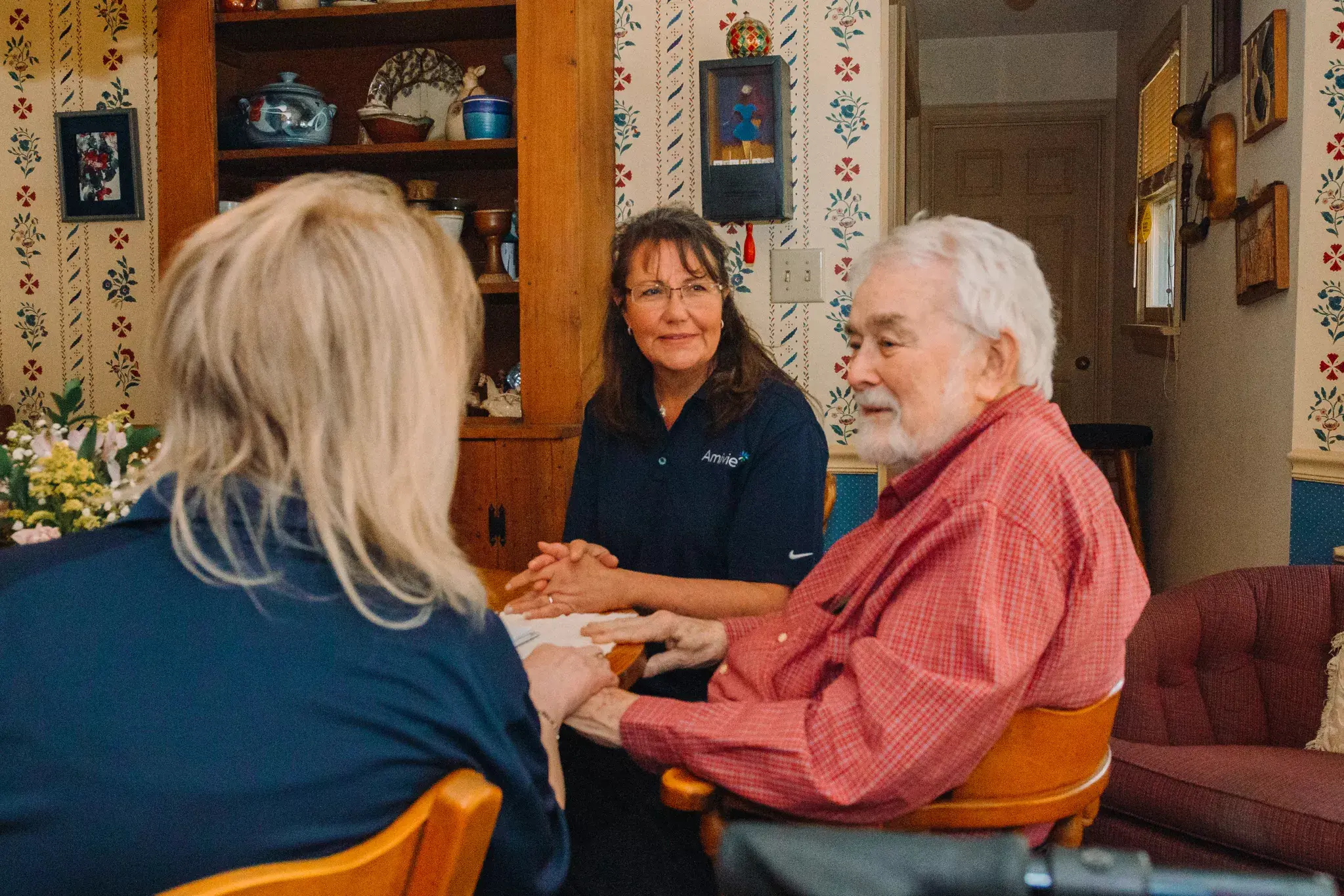
Adjusting to life after a traumatic brain injury (TBI) or an acquired brain injury (ABI) can be overwhelming. In addition to physical symptoms that impact everything from taste and smell to mobility, there are cognitive effects and complicated emotions that make daily life more difficult to navigate.
TBI and ABI share similar complexities and challenges, but there are solutions that help individuals and their families to adapt to this new “normal”. Amivie’s home care and care for intellectual and developmental disabilities (I/DD) options can dramatically improve quality of life following the event.
Understanding Brain Injuries and Their Impact on Daily Life
After a brain injury, the impact on someone’s life is often significant and can change over time. It can be difficult for individuals and families to process emotional and functional changes and how independence is affected by them.
A TBI arises unexpectedly from an external accident or event, so the person must mentally and physically adjust to their life completely changing overnight. Once-easy tasks like mobility, communication, and driving are now difficult or even impossible. As they physically recover from the trauma, they may expect their brain to recover just as quickly, but that is often not the case. Processing the emotions related to these life changes can be difficult, especially if they feel physically ready to move on and still have lingering TBI effects.
For individuals with ABI caused by internal factors, the decline may be more gradual, possibly resulting from a long-term illness, for example. However, it could also be just as abrupt as a TBI in the case of an acute illness like a stroke.
What Families and Survivors Struggle With After TBI/ABI
Regardless of the cause, brain injuries lead to certain challenges for individuals and their families. Daily routines can often be overwhelming, and family members aren’t always available to assist. Family members often work outside the home or live elsewhere, leaving the individual with TBI/ABI isolated for extended periods of time. This can result in anxiety and challenges with regulating emotions like frustration and grief.
Additionally, navigating the available support systems and eligibility for different programs can be difficult, especially when insurance or Medicare/Medicaid is involved. Getting support from a home care provider can help lessen the impact of these challenges. Amivie is familiar with navigating these situations and offers comprehensive care to help families and individuals find the support they need.
How In-Home and Community-Based Care Can Help
In-home and community-based support can fill in to provide consistent care to offer respite, and make daily life easier. Plans are personalized to the individual's needs and provide specific support for both routine activities of daily living (“ADLs”) and more complex, cognitive-based activities (“IADLs”). This includes daily physical needs of the individual, like helping with meal preparation, communication, and medication management, as well as emotional needs, such as companion care to reduce isolation.
For individuals with I/DD, caregivers help maintain the individual’s status and participation in the community by assisting with transportation and mobility support. Support care also integrates with health professionals to ensure compliance with therapy and case management.
Whatever your care needs may be, Amivie offers solutions to ensure you are never alone.
Why a Person-Centered Approach Matters in Brain Injury Support
Because every brain injury is different, person-centered care addressing individual needs is key. Care at Amivie is not “one-size-fits-all”. Our support plans respect each individual's autonomy and help them rebuild their confidence in daily tasks. This requires trust and a close relationship with both the individual and their family. Our approach to care helps build this trust, so individuals and families can feel confident in the care they receive.
Amivie’s Approach to Supporting Individuals with Brain Injuries
To better serve individuals with TBI/ABI, Amivie uses a coordinated care model combining home care and I/DD services. Amivie’s experienced professionals develop person-centered care plans for both cognitive and behavioral support. Individuals are matched with caregivers based on their skill sets, strengths, communication styles, and personalities to help foster strong personal connections. Building strong relationships is a critical component of our approach to care and commitment to longevity.
Healing Happens at Home, With Help from Amivie
Life after a brain injury can be overwhelming and complicated, but with in-home and I/DD care from Amivie’s trained, compassionate staff, individuals can maintain their independence at home and successfully navigate these complex challenges.
Contact Amivie today to learn more and to request an appointment for personalized in-home care.
Topics:
IDD Care
